
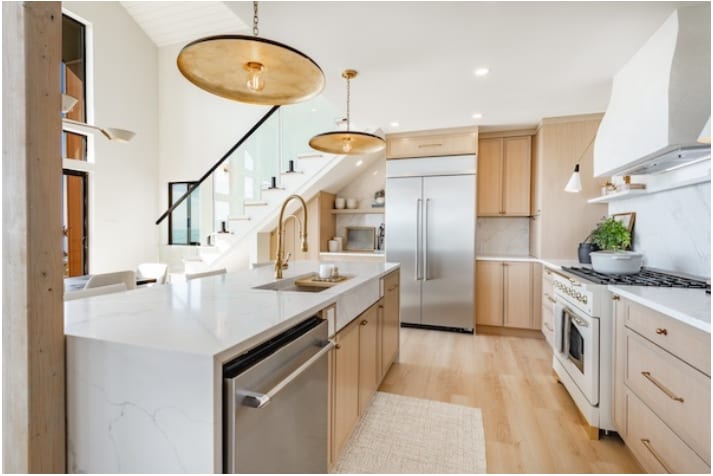

Does the Fridge Stay? What Minnesota Home Buyers and Sellers Need to Know
When you buy or sell a home in Minnesota, it’s easy to assume everyone agrees on what stays with the house.
The refrigerator looks like part of the kitchen. The TV is mounted to the wall. The patio furniture fits the space perfectly. That garage refrigerator has probably been there for 15 years.
But seeing something in the house doesn’t necessarily mean you’re buying it with the house.
This is one of those small details that can create surprisingly big misunderstandings right before closing.
Whether you’re buying or selling in Lino Lakes, Hugo, Blaine, Shoreview, Vadnais Heights or elsewhere in the Twin Cities, the best way to avoid surprises is to understand the difference between fixtures and personal property—and make sure the Minnesota purchase agreement clearly says what is included.
In Minnesota, Fixtures Generally Stay With the Home
A fixture is generally an item that has become part of the real estate rather than something that can simply be picked up and moved.
Common examples may include:
Built-in cabinets and shelving
Attached light fixtures
Ceiling fans
Plumbing fixtures
Built-in appliances
Blinds, shutters and curtain rods
Permanently installed landscaping
Other items permanently attached to the property
Minnesota REALTORS® explains that improvements, fixtures and appurtenances identified by the Purchase Agreement are considered part of the real property and transfer with it.
A common rule of thumb is to ask:
Would removing this item require tools, alter the property or potentially leave damage behind?
If so, it deserves a closer look.
But don't rely solely on a rule of thumb. The purchase agreement is what ultimately matters.
Personal Property Is Different
Personal property generally includes things that can be removed from the home without becoming part of the real estate.
Examples might include:
Freestanding furniture
Artwork and décor
Area rugs
Lamps
Small kitchen appliances
Patio furniture
Potted plants
Many electronics
Freestanding appliances
Even if something looks like it belongs perfectly in the house, that does not automatically mean it is included in the sale.
And this is where we get to the question I hear all the time:
So… Does the Refrigerator Stay in Minnesota?
Not automatically.
This surprises some buyers and sellers.
A built-in wall oven or dishwasher may be treated differently because it is installed as part of the property. But a typical freestanding refrigerator, washer or dryer is generally personal property rather than a built-in fixture.
That doesn't mean the seller has to take it.
It means we need to address it in the purchase agreement.
If the buyer wants the kitchen refrigerator, garage refrigerator, washer, dryer, freezer or another appliance included, I want that expectation clearly documented rather than relying on what happened to be sitting in the house during the showing.
What About Mounted TVs?
Here's another common Minnesota closing question:
Does the TV stay because it's attached to the wall?
Maybe not.
The television itself may be personal property even though a mounting bracket is attached to the house.
That's exactly the type of situation where buyers and sellers should clarify expectations before the purchase agreement is finalized.
The same principle applies to things like:
Decorative mirrors
Security cameras
Video doorbells
Smart-home equipment
Garage refrigerators and freezers
Hot tubs
Playsets
Sheds
Patio furniture
Grills
And because this is Minnesota, I'll add another one that comes up around lake properties:
Docks and other waterfront equipment.
If something matters to you, don't assume.
Ask.
Sellers: Decide What You're Taking Before Your Minnesota Home Hits the Market
One of the things I like to discuss with sellers before we start showings is whether anything attached to the house has sentimental or financial value.
That beautiful dining room chandelier from Grandma?
The custom mirror you commissioned?
A smart-home device you want to take to your next home?
Tell me before we list.
Sometimes the cleanest solution is to remove a treasured item and replace it before the first buyer ever walks through the door.
Why?
Because once buyers see a feature as part of the house, they can become emotionally attached to it too.
Clearly identifying exclusions from the beginning helps everyone understand what is actually being offered.
Buyers: If You Want It, Put It in the Offer
If there is something in a Minnesota home that you really want, tell your agent.
Don't assume the refrigerator stays because it appeared in the MLS photos.
Don't assume the washer and dryer are included because they're sitting in the laundry room.
And don't assume the patio furniture comes with the house because it was beautifully staged around the firepit.
If an item matters to you, we should make sure the purchase agreement addresses it.
The more clearly something is described, the less room there is for misunderstanding later.
This Is Why the Details Matter
Real estate transactions are full of decisions that seem small—until they aren't.
A refrigerator probably isn't going to make or break most home purchases.
But nobody wants to arrive at their new Twin Cities home after closing and discover that something they thought they purchased is gone.
And sellers don't want to find out two days before moving that a buyer believes something sentimental was supposed to stay.
A well-written Minnesota purchase agreement helps establish what's included, what's excluded and what both parties agreed to from the beginning.
That's part of good real estate representation: thinking through the details before they turn into problems.
Thinking about buying or selling a home in the Twin Cities? Call Sarah First. We'll talk through the house, the contract and the details so you know what to expect before it's time to move.
